
Regular bank reconciliation saves you from having to review a full year of financial records—instead, you can quickly consult your reconciliation statements to review any required information. Once you have identified all the differences between the two statements, identify the source of the discrepancy. Common sources include deposits in transit that have not yet been deposited in your bank account, as well as bank fees that have been withdrawn by your bank but may have been missed in your company records. Outstanding checks are those that have been written and recorded in the financial records of the business but have not yet cleared the bank account. This often happens when the checks are written in the last few days of the month.
What is the easiest way to reconcile a bank statement?
Every business need to match its internal records to corresponding external sources and verify them what is account reconciliation independently. In simpler terms, a bank reconciliation compares a company’s cash accounting statements against the cash it has in the bank. This process helps identify any discrepancies, like outstanding checks or deposits, and provides an accurate picture of the company’s cash position, accounting for funds in transit. This is crucial for maintaining the trust of stakeholders, such as investors, creditors, and regulatory bodies. It allows you to streamline and improve your business’s bank and account reconciliation processes. By leveraging out of the box AI transaction matching rules you can automate the reconciliation process and achieve a 95% journal posting automation.

Bank Reconciliation
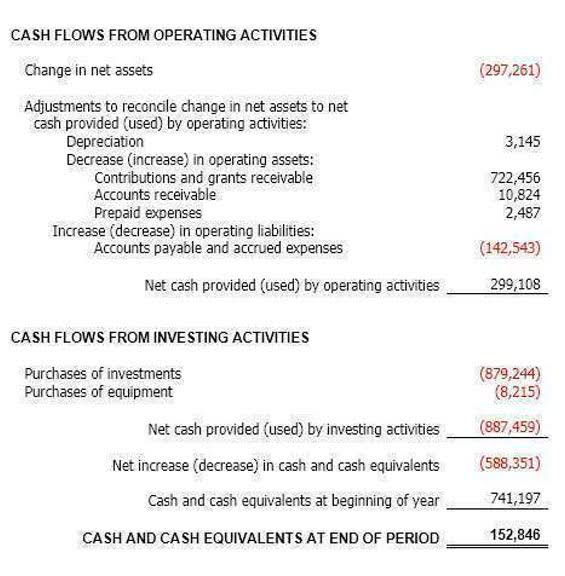
The objective of doing reconciliations to make sure that the internal cash register agrees with the bank statement. Once any differences have been identified and rectified, both internal and external records should be equal in order to demonstrate good financial health. The first step is to compare transactions in the internal register and the bank account to see if the payment and deposit transactions match in both records. Identify any transactions in the bank statement that are not backed up by any evidence. A bank reconciliation is used to compare your records to those of your bank, to see if there are any differences between these two sets of records for your cash transactions.
- When you’re performing bank reconciliation, you’re basically following the same process as balancing a checkbook—you’re just doing it on a business-wide scale instead of a personal one.
- Our expert nonprofit bookkeepers are available to enter and categorize income and expense transactions, prepare monthly statements and tax documents, and much more.
- In simpler terms, a bank reconciliation compares a company’s cash accounting statements against the cash it has in the bank.
- As part of the automation features, reconciliation tools like ReconArt can auto-certify certain accounts.
- Let’s take a look at a hypothetical company’s bank and financial statements to see how to conduct a bank reconciliation.
- For businesses operating in multiple countries, reconciling foreign currency transactions is crucial.
- By spotting and fixing differences quickly, you’ll keep your books accurate and comply with financial rules.
What is a Bank Reconciliation?

Where possible, replace manual spreadsheets with automated software reconciliations. P&L reconciliation involves verifying revenue and expense records to ensure all transactions are correctly recorded. This process helps identify discrepancies, such as missing revenue, duplicate expenses, or incorrect allocations, which could distort a company’s financial performance. Now that we’ve covered account reconciliation and why it matters, let’s dive into the different types of reconciliations businesses need to perform. Each type focuses on a specific area of financial records, ensuring accuracy across various accounts and transactions.
Transaction volume exceeds capacity
Reconciliation acts as an internal control mechanism that ensures financial http://beauty.netguru.net.nz/2021/05/11/accounts-payable-automation-intelligent-document/ transactions are properly authorized and recorded. Reconciliation ensures financial statements reflect the company’s true financial position, aiding stakeholders in making informed decisions. The first is for any account within the general ledger, and the second is for bank reconciliation.
Incorporate a formal review step

Therefore, regulatory bodies enforce compliance in capital markets through rigorous, high-frequency reconciliations. They aim to secure a fraud detection https://www.bookstime.com/ measures, prudent management of client money and record integrity guarantee. The financial services segment probably abides the most stringent rules of all, as stakes are high and potential damages can rattle entire financial systems. In that respect, software automaton enables drill down into account details and targeted investigation of discrepancies.
Leave a Reply